
As theatres prepare for holiday productions and busy performance schedules, the spaces surrounding the stage deserve a closer look.
There is a particular energy in a theatre just before a performance begins. Patrons arrive with anticipation, friends gather in the lobby, conversations fill the room, and ushers help audiences find their seats. As the house lights dim, attention turns toward the stage.
But for the audience, the experience began much earlier.
It started with finding the theatre, navigating parking, approaching the entrance, and stepping into the lobby. It continues through intermission and long after the curtain falls.
For theatre leaders, these moments are more than operational details. They are opportunities to shape how audiences feel about the organization, the venue, and the experience of attending live performance.
As holiday productions bring new and returning patrons through the doors, it’s an ideal time to consider what the building itself contributes to the evening.
Your Theatre’s Welcome Begins Outside
For someone visiting a venue for the first time, the experience of arriving can set the tone for everything that follows.
Is the entrance easy to identify? Are accessible routes clear? Can patrons find their way from parking or nearby transportation without confusion?
Regular subscribers may navigate these details almost automatically. New visitors don’t have the same familiarity.
Thoughtful theatre design considers this first encounter as part of the audience journey. Clear arrival sequences, intuitive wayfinding, welcoming entrances, and accessible pathways help patrons transition from the outside world into the experience of live performance.
During a busy holiday production, these elements become especially visible. Watching where people hesitate, gather, or ask for directions can reveal practical opportunities to improve the arrival experience.
The Lobby Sets the Stage
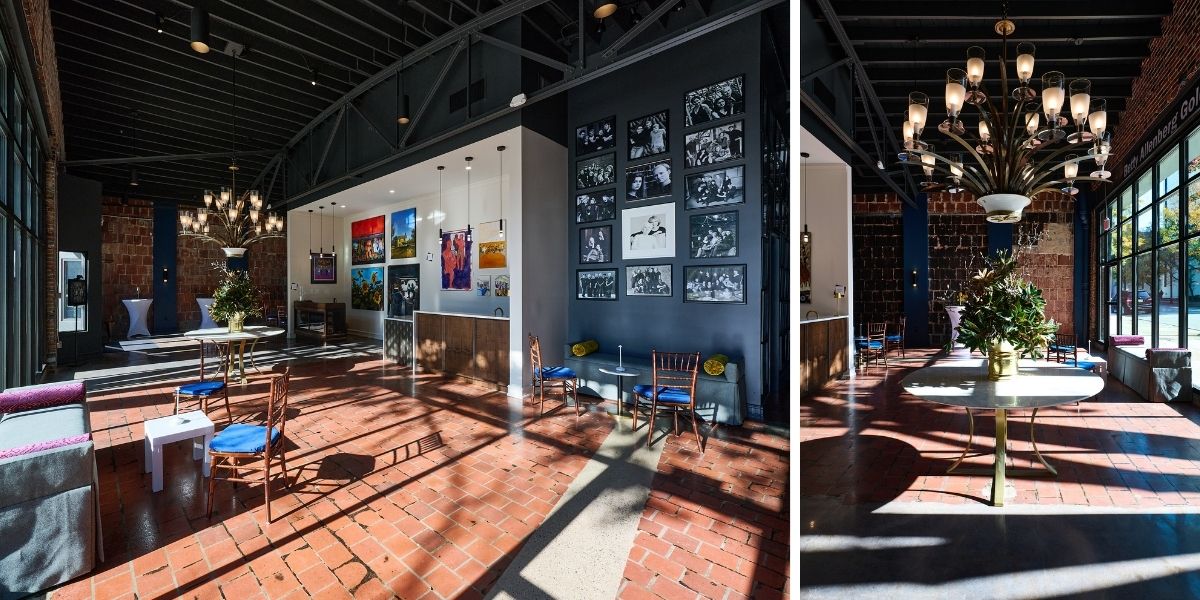
The lobby is much more than a place to wait for the doors to open. It’s where patrons meet friends, enjoy refreshments, discuss what they’re about to see, and begin connecting with the theatre as a cultural destination.
In many ways, the lobby serves as the opening act. Yet it must also accommodate the practical demands of ticketing, concessions, circulation, and access to the auditorium.
When these functions compete for space, the atmosphere can quickly change. Lines may interrupt circulation. Patrons may struggle to find places to gather. Staff may spend more time managing congestion than welcoming guests.
A well-designed lobby balances movement with connection. It creates room for the social experience of theatre while supporting the operational needs of the organization.
This balance is particularly important during sold-out performances, when every part of the building is working at capacity.
Comfort and Accessibility Shape the Experience
A compelling performance deserves an environment where audiences can fully engage with what is happening onstage. That experience depends on more than the auditorium’s appearance.
Seating comfort, sightlines, acoustics, accessible routes, and the ease of navigating the venue all influence a patron’s ability to enjoy the performance.
Restrooms, concessions, and gathering areas matter, too. A beautiful theatre can still create frustration if essential amenities are difficult to locate or cannot comfortably accommodate the audience.
Accessibility should be considered throughout the patron journey, from arrival and entry to seating, amenities, and departure.
For theatre organizations, evaluating these details means looking beyond the stage and considering how the entire building supports the people who use it.
Intermission Is a Design Test
Few moments reveal a theatre’s circulation patterns quite like intermission. Within minutes, hundreds of people may leave their seats, visit restrooms, purchase refreshments, reconnect with friends, and return to the auditorium. The experience can feel effortless—or unnecessarily stressful.
The location of amenities, width and organization of circulation paths, and relationship between the auditorium and lobby all affect how smoothly this transition occurs.
A busy intermission provides an opportunity to observe the venue in action. Where do lines form? Which routes become congested? Can patrons move comfortably without feeling rushed?
These observations are useful not only for improving operations but also for identifying future renovation or facility planning priorities.
The Experience Continues After the Final Bow
When the performance ends, the audience’s relationship with the theatre doesn’t. Patrons may linger to discuss the production, visit with friends, or consider returning for another show. Their departure is part of the experience they take home.
An inviting, well-functioning venue can reinforce the sense that a night at the theatre is something worth repeating.
For performing arts organizations, that matters. Building a lasting audience relationship depends on many factors, including artistic programming, service, accessibility, and the overall experience of attending.
Architecture plays a supporting role in all of them.
What Is Your Theatre Telling You?
Holiday productions and other high-attendance performances offer a valuable opportunity to evaluate how well a venue supports its audiences and staff.
Some improvements may be operational, such as clearer signage or adjusted concession layouts. Others may point toward larger opportunities involving lobby design, accessibility, seating, circulation, or renovation.
The first step is understanding the experience from the patron’s perspective.
To help theatre leaders begin that conversation, LIVE Design Group has developed a **Patron Experience Assessment**, featuring ten practical questions to consider during a busy performance.
[Download the Free Patron Experience Assessment]
At LIVE Design Group, we believe great theatre design supports both the art onstage and the community gathered around it. Through our collaborative LIVE Design Process, we work with performing arts organizations to explore possibilities, visualize solutions, and create spaces that reflect their artistic vision and operational needs.
Whether you’re reimagining an existing venue, improving the audience experience, or considering what’s next for your organization, thoughtful planning begins with understanding the people your theatre serves.
[Explore LIVE’s Theatre Design Work]
LIVE Design Theatre | Creating meaningful spaces for people who serve people.